
Browse by Theme: Private Sector

As a Policy Adviser, it is always gratifying to learn when some individual or group with a bit more power than you basically agrees with you and is pushing your viewpoint.
Read more...
The IAIA Special Symposium on Resettlement and Livelihoods took place in Kruger Park, South Africa in late October. The nice location (and emblem of environmental conservation) was most probably selected with security issues in mind, but it also represents a case study of how resettlement should not be done.
Read more...
We need to provide a more prescriptive view on the purposes that companies are allowed to pursue – otherwise the Blueprint for Better Business will be one more fad...
Read more...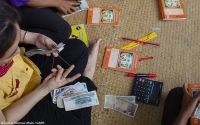
Last year the UK Department for Business, Innovation and Skills (BIS) announced that it was launching a consultation on corporate responsibility, with the promise that "We intend to publish a framework for action on corporate responsibility by the end of 2013." After a long period of silence, the Department finally published a report in April 2014. It seems to have slipped under most people's radar – perhaps because it's nothing to shout about...
Read more...
I have written before about ‘cross-sector’ collaboration and partnerships. About forging alliances with shared objectives where the private, public and NGO sectors can work together, realising mutually beneficial outcomes. We often talk about the combined ‘power’ of all these actors – but how do we put the ‘power’ in ‘empowerment’ into the hands of women on the frontline of overcoming gender inequality?
Read more...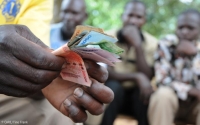
CARE International’s approach to SME development includes access to finance as an important element. But we also believe that it is essential to adopt a systemic view of the market system and of the socio-economic situation of the individuals and communities with whom we work.
Read more...
The IMF World Bank Annual meetings set the big picture on global finance – this year talk was how to cope with slowing growth rates in emerging economies. CARE went to ensure that some of the conversation focused on how those living on less than $2 a day manage their finances and why more banks should support the Linking for Change Savings Charter. Here’s what we found...
Read more...