
Browse by Theme: Private Sector

Increasingly seen as integral to sustainable development, the private sector is carving out a more prominent role for itself in a post-2015 MDG agenda.
The premise for this is that, by leveraging big businesses and the markets within which they operate, opportunities for the world’s most vulnerable can be unlocked. It’s a bold vision, but the truth is that those companies who have already entered the fray still have their hardest work ahead of them.
Read more...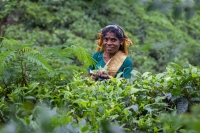
CARE International has written about the business case for empowering women producers before, but the financial justification for inclusive business goes much further than that. This week, CARE International published A Different Cup of Tea: The Business Case for Empowering Workers in the Sri Lankan Tea Sector which demonstrates that companies investing in one worker empowerment model, the Community Development Forum (CDF), gained $26 for every $1 invested.
Read more...
The UK government has just published its ‘Action Plan on Business and Human Rights’. This is the keenly awaited guidance for UK business on how they should respond to the UN Guiding Principles on Business and Human Rights. However, this is a very sketchy Action Plan: for instance it does not discuss Gender, a key issue, in any detail. But more importantly from my point of view is that it gives no indication of any intention to give legal effect to the Guiding Principles requirements on companies: without this it is hard to see how the plan will make a meaningful difference.
Read more...
This week the UK government takes the historic step of becoming one of the first institutions to make an official statement on how companies should operationalize the UN Guiding Principles on Business and Human Rights, more commonly known as the Ruggie Principles. Leading the process to formalize the ambitious but sometimes vague standards laid out in the Principles deserves to be applauded. However, because it is the first such initiative, and one that both governments and business will look to in order to judge the long-term viability of much of the business and human rights agenda, there is heavy pressure to get it right.
Read more...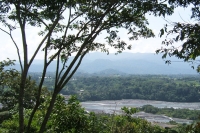
A pledge of compensation made in 2010 to keep the Yasuní National Park untouched after the discovery of oil appears to have failed. What went wrong? Why couldn’t the Western governments raise the money? How do we change the rules of the game to better balance long term and short term incentives?
Read more...
Surprisingly robust and informative – my verdict on the International Finance Corporation (IFC) 2012 standards on environmental social sustainability from a conflict sensitivity perspective. Perhaps we should spend a bit more time learning from the sector many NGOs love to hate.
Read more...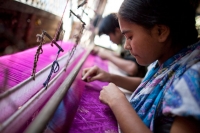
This week American stakeholders announced the formation of the Alliance for Bangladesh Worker Safety and signatories to the European Fire and Building Safety Accord released their Implementation Plan. While both agreements represent steps in the right direction, to address the root causes of the Rana Plaza disaster, both initiatives must take further measures to build capacity and political will in the Government of Bangladesh.
Read more...